
Did You Know Gum Disease Can Affect Your Facial Shape?
October 31, 2026
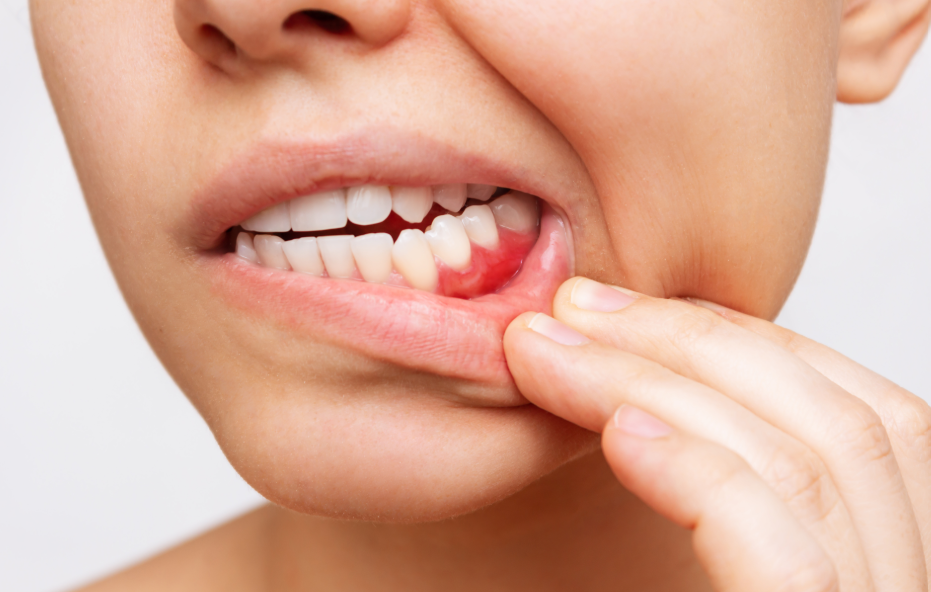
When you think about gum disease, you probably picture red, swollen, or bleeding gums. While these are common warning signs, periodontal disease can affect much more than the soft tissues surrounding your teeth. If left untreated, it can damage the bone supporting your teeth, contribute to tooth loss, and even change the shape of your face over time.
Understanding this connection can help you recognize why treating gum disease early is so important. Here’s what you should know about how periodontal disease can affect your facial appearance.
How Does Gum Disease Progress?
Gum disease typically begins with gingivitis, an early stage of inflammation caused by plaque and bacteria accumulating along the gumline. You might notice that your gums look red, feel tender, or bleed when you brush or floss.
At this stage, the damage is generally reversible with professional dental care and improved oral hygiene.
However, when gingivitis isn’t treated, it can progress into periodontitis. This more advanced form of gum disease affects the tissues and bone supporting your teeth. As the infection progresses, the gums can pull away from the teeth, creating pockets where bacteria accumulate. Over time, the supporting bone may deteriorate, weakening the foundation that keeps your teeth in place.
How Can Gum Disease Change Your Facial Shape?
Your teeth and jawbone play an important role in supporting your facial structure. When periodontal disease damages the bone surrounding your teeth, it can eventually affect the appearance of your smile and lower face.
Here are a few ways this can happen.
1. Tooth Loss Can Change Your Facial Proportions
Advanced gum disease is one of the leading causes of tooth loss in adults. As the supporting tissues and bone deteriorate, teeth may become loose and eventually need to be removed.
Missing teeth can affect facial proportions because your teeth help support your lips and cheeks. When several teeth are lost, the surrounding soft tissues may lose some of their natural support, making certain areas of the face appear sunken.
2. Jawbone Deterioration Can Create a Sunken Appearance
Your jawbone needs stimulation from your tooth roots to maintain its density and volume. When a tooth is lost, the surrounding bone no longer receives that stimulation and can gradually shrink.
This process is known as bone resorption. As more bone volume disappears, the jaw may lose some of its natural contours. In cases involving multiple missing teeth, these changes can contribute to a thinner or more sunken appearance around the mouth and lower face.
3. Missing Teeth Can Make the Face Look Older
Tooth loss and bone deterioration can contribute to several changes commonly associated with facial aging. For example, reduced support around the mouth may make the lips appear thinner, deepen certain facial folds, and create a more collapsed appearance in the lower third of the face.
These changes don’t happen overnight, and their severity depends on factors such as the number of missing teeth, the amount of bone loss, and individual facial anatomy.
Can Treating Gum Disease Help Protect Your Facial Structure?
Absolutely! Early treatment is essential for preventing periodontal disease from causing additional damage. Depending on the severity of your condition, periodontal therapy may involve deep cleaning procedures, medications, or surgical treatment to control infection and protect the supporting structures around your teeth.
If you’ve already experienced tooth loss, restorative options such as dental implants may help replace missing teeth. Implants can also provide stimulation to the surrounding jawbone, helping reduce the bone loss that typically occurs after extraction.
Protect Your Gums and Your Smile
Gum disease can have consequences that extend well beyond your oral health. By recognizing the warning signs and seeking periodontal treatment early, you can protect your natural teeth, preserve supporting bone, and maintain the structures that contribute to your facial appearance.
About the Practice
Ross Periodontics provides specialized periodontal care to help patients maintain healthy gums and supporting structures. Dr. Jonathan Ross focuses on diagnosing and treating gum disease, offering personalized periodontal therapy to address infection, protect natural teeth, and restore oral health. With an emphasis on patient education and comprehensive care, the team helps patients understand their periodontal needs and explore appropriate treatment options.
Call us at (440) 461–6008 or schedule your appointment online
No Comments
No comments yet.
RSS feed for comments on this post.
Sorry, the comment form is closed at this time.