
Gum Grafting – Mayfield Heights, OH
Reverse the Effects of Gum Recession
Gum recession can cause your gum tissue to pull away from your teeth, exposing the roots. Not only can this put you at a higher risk for decay and dental infections, but it can also leave you with teeth that look longer than normal. Fortunately, Dr. Ross can address your oral health and cosmetic concerns with gum grafting, a procedure that can help reverse the effects of gum recession. If you think your smile might benefit from gum grafting, reach out to us today!
Why Choose Ross Periodontics for Gum Grafting?
- Periodontist with a Friendly Approach to Care
- Fully Personalized Treatment Plans
- Multiple Sedation Options for Nervous Patients
What Is Gum Grafting?
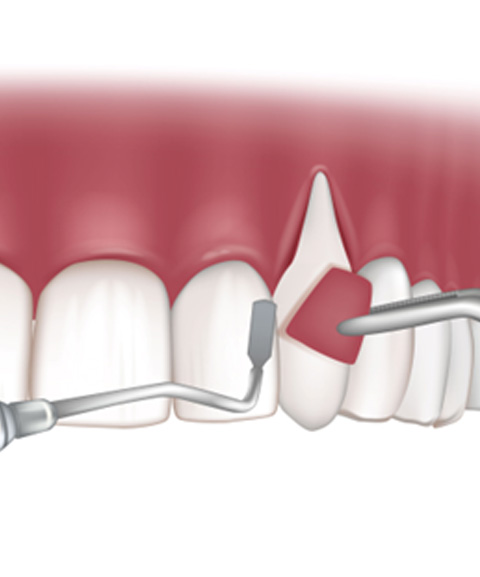
Gum grafting is a type of oral surgery where soft tissue is taken from elsewhere in your mouth and used to replace missing gum tissue. This can be done to reshape the gum line and to cover exposed tooth roots.
Who Needs Gum Grafting?

Gum grafting is typically only recommended in very specific situations. Below are some signs that you might benefit from the procedure:
- You Have Experienced Gum Recession: Gum recession is often a consequence of gum disease that went untreated for too long. Ignoring gum recession can ultimately lead to tooth loss, so it’s best to have it addressed with gum grafting as soon as possible.
- You are Planning to Have Dental Implants Placed: Dental implants partially rely on the gums for support, so a lack of gum tissue can be a serious obstacle. Gum grafting can be used to add the necessary tissue so that dental implant placement can be performed.
- You are Concerned About the Appearance of Your Smile: Even if your mouth is generally in good health, gum grafting can still be helpful for evening out the gum line, which can go a long way toward making your grin more aesthetically pleasing.
The Gum Grafting Process

The exact steps of the gum grafting process will slightly vary depending on which type of graft is being performed:
- For a connective tissue graft, a flap will be created in the roof of your mouth. Then tissue will be taken from that same area and transplanted to the spot where gum tissue is lacking.
- For a free gingival graft, the tissue will be taken from the roof of the mouth without creating a flap first.
- For a pedicle graft, a flap of tissue will be made in the gum tissue itself near the area where gum recession is present. Then the flap will be folded over to cover up the exposed tooth root.
Gum Grafting Aftercare

Your mouth will need time to heal after gum grafting. During your recovery, you will need to stick to a diet of soft foods, which can include scrambled eggs, yogurt, and cooked vegetables. In terms of oral hygiene, you will need to refrain from brushing or flossing the treated area for a while. An antimicrobial mouthwash can be a good way to reduce the risk of an infection occurring during the recovery period.
Gum Grafting FAQs
Why are my gums receding?
Gum recession can result from a variety of factors like gum disease, years of bruxism or aggressive brushing, being genetically predisposed to thin gum tissue or bone structure, and dental misalignments. As the gum tissue shrinks away from the roots of the tooth, the patient may experience issues like dental sensitivity, greater risk of cavities, and possibly cosmetic concerns.
Do I need gum grafting?
Not everyone with a slightly receded gumline needs gum grafting. If gum recession is causing you severe discomfort or sensitivity or you simply don’t like how it makes your smile look, gum grafting may be an excellent treatment for you. However, gum recession caused by dental misalignment may be best treated by an orthodontic treatment, and bruxism can often be treated with a nightguard. Even in these cases, gum grafting may be a great solution after the root cause of the recession has been addressed.
Does gum grafting surgery hurt?
We perform gum grafting surgery only after administering a local anesthetic to ensure your comfort throughout the process, and you may also receive a sedation treatment if necessary. You may experience some soreness after the procedure, and it can range from mild to moderate depending on how intensive the treatment was and the type of graft performed. This discomfort should fade away over several days and eventually disappear, and it can be managed by taking prescribed or over-the-counter pain medication according to Dr. Ross’s instructions.
What happens if I don’t address my gum recession?
Untreated severe gum recession can lead to a range of oral health issues such as dental sensitivity, infections in the tooth roots, and a greater risk of gum disease. It can also diminish the natural beauty of your smile, which can significantly impact your self-image. Unaddressed gum recession can also spread to neighboring teeth and eventually cause bone loss that makes extractions necessary. If the problem is allowed to progress to the point of tooth loss, it may be difficult to place dental restorations such as implants without treatments like gum and bone grafting. In especially severe cases of recession, only removable tooth replacement options may be viable.
How long does recovering from gum grafting surgery take?
Most patients will only need about two weeks at most to recover from gum grafts, but this varies based on factors like the individual’s genetics, existing health conditions, and how much grafting was performed. For example, people with diabetes may take longer to heal after the procedure, so Dr. Ross will be sure to ask about your medical history during your consultation so he can plan your treatment accordingly. You can keep your recovery process as brief and complication-free as possible by avoiding hard, sugary, and acidic foods, including plenty of green plant matter in your diet (smoothies might be a great idea), and drinking plenty of water to stay hydrated.
How Much Does Gum Grafting Cost?
The cost of gum grafting in Mayfield Heights varies from patient to patient, since its pricing depends on factors like the number of teeth being treated, the type of treatment performed, and whether sedation is used. Many dental insurance plans will cover at least a portion of the cost if the procedure is deemed medically necessary, such as when it's being done to treat gum disease. In any case, Dr. Ross and our team will review your treatment plan and help you understand the financial aspect before getting started.
What Can I Expect During My Gum Grafting Consultation?
During your consultation, Dr. Ross will examine your gum tissue, discuss your oral health history, and determine the extent of your recession, which can involve taking X-rays or measurements to assess tissue levels around the affected teeth. He'll then explain which type of graft is best suited for your situation, walk you through the procedure, and answer any questions you have. This visit is also a great time to discuss sedation options if you feel anxious about treatment!
How Many Teeth Can Be Treated at Once with Gum Grafting?
The number of teeth treated during a single gum grafting procedure depends on the extent of your recession and the amount of donor tissue available. Some patients only need one or two teeth addressed, while others with more widespread recession may benefit from treating several teeth in the same session. Dr. Ross will evaluate your gum tissue during your consultation and design a treatment plan that addresses your specific case.
When Can I Return to Work or Exercising After Gum Grafting?
Most patients can return to work or light daily activities within a day or two after gum grafting, although this can vary depending on the extent of the procedure. That said, any strenuous exercise should be avoided for at least a week, since increased blood flow and physical strain can interfere with healing. Dr. Ross will provide personalized aftercare instructions following your surgery so you know exactly when it's safe to resume your normal routine.
Will My Gums Recede Again in the Future?
Gum grafting is designed to provide a lasting solution, and the grafted tissue normally integrates permanently with your gums. However, ongoing recession can still occur if underlying causes, such as gum disease, aggressive brushing, or bruxism, aren't properly managed. This means maintaining good oral hygiene, attending regular periodontal checkups, and following any recommendations from Dr. Ross; all of this can help protect your results and keep your smile healthy for years to come!